
MARVEL SNAP: Hero Strategy CCG
Second DinnerStrategy
3.423.39K Reviews
- Version
- 56.4.1
- Installs
- 10.00M
- Age Rating
- Teen
Screenshots
Our Review of MARVEL SNAP: Hero Strategy CCG
 Analysis by Appyee
Jumping into the world of card games can be a bit daunting, but MARVEL SNAP makes it an absolute blast. Whether you're a hardcore Marvel fan or just love a good strategic challenge, this game has something for everyone. Let's dive into what makes this game so engaging and why it might just be your next obsession.
What to Expect from This Card Game
At a glance, MARVEL SNAP is easy to mistake for a simple character-collecting game. The real appeal is the decision-making packed into each match: you choose when to commit cards, which locations to contest, and whether the situation is worth raising the stakes. It is a strategy game from Second Dinner, and its Marvel cast gives familiar characters a practical role in a compact contest rather than making the experience a passive tour of the comics universe.
The game is free to start, and it is rated Teen. Optional in-app purchases range from $0.99 to $99.99 per item, so I would go in with a plan not to spend just because a new card or cosmetic catches my eye. Its average rating is 3.3 from around 469,000 ratings, with about 23,000 written reviews; that mixed reception is a useful reminder that the brisk matches and collection progression will not suit everyone. It has passed 10 million installs, but popularity alone does not tell you whether its particular rhythm is your kind of strategy.
Getting Started with MARVEL SNAP
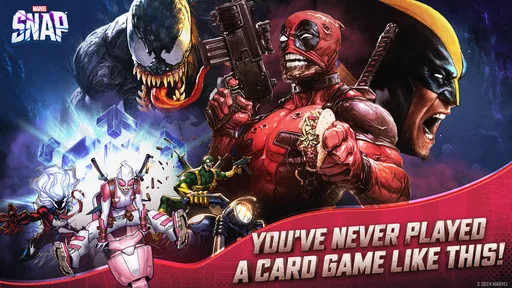
First off, setting up MARVEL SNAP: Hero Strategy CCG is as easy as pie. Available on both Android and iOS, you can download it from the app store and jump right into the action. As you boot up, you're greeted with vibrant graphics that capture the Marvel universe's essence perfectly. The game offers a tutorial that’s both fun and informative, easing you into its mechanics without overwhelming you.
From First Match to a Useful Win
For a first-time player, the best early goal is not to chase a perfect deck; it is to learn how a match asks you to make trade-offs. You spend energy on cards, and their effects interact with the board’s locations. Start by reading the location text before deciding where to play. A card that looks strong in isolation may be a poor fit for a location that changes what it can do. I found that pausing briefly to check both the card and the board is more useful than trying to memorize every interaction at once.
A first satisfying success often comes from making a simple plan and sticking to it: identify the location you can contest, keep enough options for later turns, and avoid scattering cards without a reason. Winning does not require controlling every part of the board. The locations create a puzzle about where your limited resources matter most, so a focused play can be better than trying to answer everything your opponent does.
The Gameplay Experience
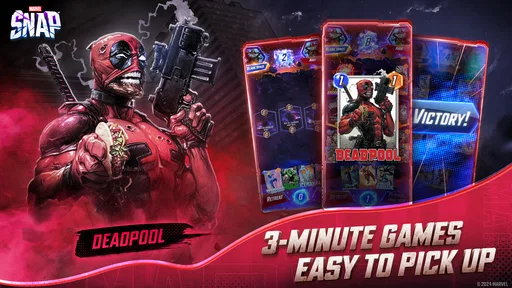
At its core, MARVEL SNAP is a collectible card game where you build a deck featuring your favorite Marvel characters. The objective? Outwit your opponent by strategically playing your cards to control locations on the board. Each match lasts only a few minutes, making it perfect for quick gaming sessions. The short match times keep the gameplay fresh and addictive, leaving you wanting "just one more game" every time.
The game mechanics are simple yet offer depth for those who love strategy. You have energy points to spend each turn, and each card has its own cost and abilities. Balancing your energy use and card abilities is crucial for victory. It’s this blend of simplicity and complexity that makes the game appealing to both casual players and strategy enthusiasts alike.
Making Short Sessions Work in Real Life
The quick format is useful when I have a short break and want a decision-focused game rather than a long campaign or a match that demands a large block of uninterrupted time. For example, if I have a few minutes before a bus arrives, I can play a match and leave with a clear result. I would still avoid starting when I know I must stop immediately: even brief games need attention, and a sudden interruption can make a close decision feel hurried.
That same format changes how I approach a losing position. Rather than treating every match as something I must rescue, I look at the board and ask whether there is a credible route to winning the locations that matter. If the answer is no, taking the lesson and moving on is healthier than letting the urge to recover a loss dictate the next move. This is especially helpful for newcomers, because a bad result can still teach you how a location or card interaction works.
Characters and Cards
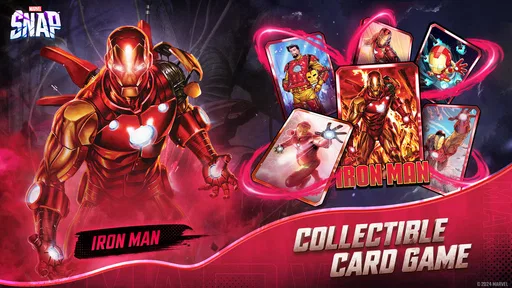
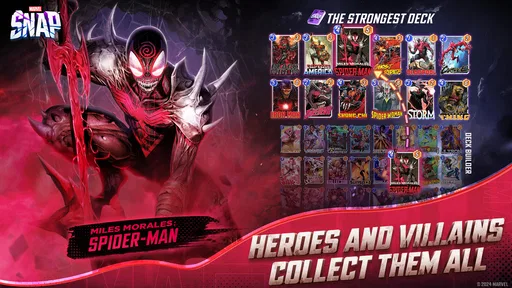
One of the game's highlights is its extensive roster of characters. From Spider-Man to Iron Man, every card is beautifully designed with abilities that reflect their comic book counterparts. It's not just about collecting cards; it's about building a deck that suits your style. Whether you prefer an aggressive approach or a more defensive strategy, there are endless possibilities to explore.
Customizing your deck is a huge part of the fun. You can experiment with different combinations to find what works best against various opponents. The game constantly evolves with new cards and updates, keeping the meta fresh and exciting.
Building a Deck Without Getting Lost
It is tempting to change several cards after every defeat, but that makes it difficult to tell what actually improved your results. I recommend changing one or two choices at a time and then paying attention to whether the deck’s plan feels clearer. If your cards compete for the same turns or depend on a setup you rarely manage, the issue may be the combination rather than your timing. A smaller, deliberate adjustment gives you better information than rebuilding everything at once.
Another useful habit is to decide what a deck is trying to do before a match begins. Perhaps it wants to put pressure on a location early, or it relies on holding options until the board makes its demands clear. That simple intention helps you judge which cards to save and where to spend energy. It also makes losses less mysterious: you can identify whether the plan was disrupted, the location made it awkward, or you simply committed too much too soon.
Strategic Depth
Don’t be fooled by the game's simplicity; there's a lot of strategic depth here. The locations themselves have unique effects that can turn the tide of battle. Being able to adapt your strategy based on the location's effects is what separates the newbies from the veterans. Plus, with the ability to "snap" and double down on your points, the stakes can get incredibly high. It’s all about reading your opponent and making calculated risks.
Learning When to Raise the Stakes
The snap mechanic is exciting, but I would not treat it as a button to press whenever I feel confident. It is a decision about risk as much as reward. Before snapping, I consider whether my position is strong across the locations that matter, whether the next plays could change that, and whether I can tolerate being wrong. A promising hand is not automatically a safe one if the board is still uncertain.
For a new player, it is perfectly reasonable to focus on understanding the board before worrying about bold snaps. Holding back can be a strategic choice, not a sign of timidity. As you recognize more card effects and location interactions, you can make a better judgment about when your advantage is real. The trade-off is that cautious play may pass up opportunities, while snapping too freely can turn a manageable setback into a frustrating one.
What Can Feel Confusing or Frustrating
The same compact design that makes matches accessible can make a single decision feel consequential. Locations may complicate a plan, and the opponent’s cards can produce a result that is difficult to read until you have more experience. I would not expect to understand every interaction after the tutorial. When something surprising happens, take a moment after the match to inspect the board and consider which effect changed the outcome instead of assuming your entire deck is wrong.
Collection growth can also affect how welcoming the game feels. The pleasure of unlocking and trying cards is part of the appeal, but a player who wants immediate access to every strategic option may find progression frustrating. Purchases are optional, yet the range of listed item prices makes it sensible to set a personal spending limit before browsing. If your main enjoyment comes from having a complete collection quickly, this is a less comfortable fit than a strategy game where the full set of tools is available from the outset.
How It Compares with Other Strategy Games
Compared with collectible card games built around longer matches and extended turns, this one favors quick decisions and a compact board. That makes it easier to fit into spare moments, but it gives less room to slowly recover from a poor opening. Players who enjoy studying a large deck, planning a long sequence, or settling into a lengthy match may prefer a more traditional card battler. Those looking for a brief tactical puzzle with recognizable Marvel characters are more likely to appreciate this pace.
It is also different from a single-player strategy campaign. The focus here is on competing through card choices and adapting to locations, not on following a long story mission. Marvel fans may enjoy seeing familiar heroes represented as playable cards, but knowing the characters is not a substitute for learning how their abilities work. I would recommend it for someone who likes experimenting with small deck changes and responding to an opponent, rather than someone who mainly wants a narrative adventure or an entirely predictable solo challenge.
Visuals and Soundtrack
The graphics are top-notch, bringing the Marvel universe to life with stunning visuals and animations. Each card is a mini piece of art, and seeing them come alive with special effects is a treat. The soundtrack complements the gameplay perfectly, with epic tunes that make you feel like you're part of an Avengers movie.
Who Is Likely to Enjoy It?
I would point a casual Marvel fan toward it if they want to make active choices with the characters rather than simply browse artwork. It can also suit a strategy player who prefers repeated short contests and is happy to learn through trial and error. The best fit is someone who enjoys asking, “What does the board let me do now?” and can accept that an opponent or location may disrupt a tidy plan.
I would steer away from it if you dislike collecting card games, feel pressured by unlock-based progression, or want every match to be a slow, fully controllable contest. It is not the best choice for someone who needs a story-led game, a long tactical campaign, or a play session that can be paused without consequence. Those preferences do not make the game poor; they simply point toward a different kind of strategy experience.
Community and Updates
Another aspect that really enriches the experience is the thriving community. Whether you’re looking for tips, deck-building advice, or just want to share your epic wins, there’s a vibrant community out there. The developers are also actively involved, frequently rolling out updates and new content to keep things fresh. It’s exciting to see what new characters and cards will be introduced next!
What to Try After the Basics
Once the rules feel familiar, I would choose one deck style that you genuinely enjoy and play it long enough to notice its strengths and awkward matchups. Keep an eye on which locations repeatedly force you to change your plan. This turns each session into practical learning rather than a scramble to copy whatever seems strongest. Advice from other players can help, but it is more useful when you understand the deck’s goal and can tell whether that advice fits the cards you own.
The game has been available since October 15, 2022, and its current version is 50.13.21. It requires Android 7.0 or later on Android devices. I would still check that your device and app-store region support the version you plan to install, then allow yourself time for the opening tutorial before expecting to play confidently. The tutorial is a starting point; comfort comes from seeing how cards and locations interact in actual matches.
My Recommendation
In conclusion, MARVEL SNAP is a delightful mix of strategy, excitement, and Marvel magic. Whether you're a newcomer to card games or a seasoned pro, there’s something here for you. So why not give it a try? You might just find yourself snapping your way to victory!
My more specific recommendation is to try it if short, competitive card matches sound appealing and you are comfortable learning a collection gradually. Give yourself a few games to understand the locations, resist changing your whole deck after one loss, and treat snapping as a considered risk. If you want a complete collection immediately, a long-form campaign, or a slower game with more time to repair mistakes, I would look elsewhere. For the right player, though, its compact tactical decisions make it easy to return to without requiring an entire evening.
Verdict
Strengths of MARVEL SNAP: Hero Strategy CCG
- Engaging and dynamic card battles.
- Stunning graphics and animations.
- Frequent updates with new content.
- Easy to learn, challenging to master.
- Strong community and player support.
Limitations of MARVEL SNAP: Hero Strategy CCG
- Requires constant internet connection.
- In-app purchases can be pricey.
- Limited offline play options.
- Some cards feel unbalanced.
- Occasional matchmaking delays.
Similar Picks in This Category
View All
Clash of Clans
Supercell4.5

Plants vs. Zombies™
ELECTRONIC ARTS3.7

Lords Mobile: Kingdom Wars
IGG.COM4.5

Clash Royale
Supercell4.4

State.io — Conquer the World
CASUAL AZUR GAMES4.1

Car Driving School : Car Games
Spark Game Studios3.9
Frequently Asked Questions
What is MARVEL SNAP, and how does it differ from other card games?
MARVEL SNAP is a fast-paced collectible card game (CCG) featuring iconic Marvel superheroes and villains. Unlike traditional card games, MARVEL SNAP emphasizes quick matches, typically lasting only a few minutes. Players strategically assemble decks from a vast array of Marvel characters, each with unique abilities. Its dynamic gameplay and stunning graphics set it apart from other CCGs.
Is MARVEL SNAP free to play, and are there in-app purchases?
MARVEL SNAP is free to download and play on both Android and iOS platforms. While the game offers in-app purchases, these are optional and mainly include cosmetic enhancements, card packs, and other features to enhance gameplay. Players can progress and enjoy the game without spending any money, although purchases can accelerate the acquisition of certain cards.
What devices are compatible with MARVEL SNAP?
MARVEL SNAP is compatible with most modern Android and iOS devices. For Android users, it requires Android version 5.0 and up, and for iOS users, it requires iOS 11.0 or later. It's recommended to have a stable internet connection and adequate device storage to ensure optimal performance during gameplay.
How does the gameplay work in MARVEL SNAP?
In MARVEL SNAP, players compete in quick matches using a deck of Marvel character cards. Each card has specific abilities that can be used strategically to outsmart opponents. The game involves choosing the right combinations of cards and knowing when to use them. The objective is to control locations and accumulate power, leading to victory in a match.
Can I play MARVEL SNAP with friends, and how does multiplayer work?
Yes, MARVEL SNAP features a multiplayer mode where you can challenge friends or compete against players worldwide. The game includes matchmaking systems to pair you with opponents of similar skill levels. You can also join or create clans to team up with friends, participate in events, and climb the leaderboards together.
Play our best games!


